Modern architecture is evolving rapidly, and so are the materials that shape it. Designers and architects today demand surfaces that are not only visually striking but also durable, hygienic, and versatile. This shift has pushed one material into the spotlight: porcelain slabs.
From luxury residences to commercial landmarks, porcelain slabs are redefining how spaces are designed and experienced. But what makes them so popular, and why are they considered the future of surface design? Let’s explore.
What Are Porcelain Slabs?
Porcelain slabs are large-format surface panels manufactured using refined raw materials and fired at extremely high temperatures. Unlike traditional tiles, porcelain slabs come in expansive sizes and slim profiles, allowing designers to create seamless surfaces with minimal grout lines.
They replicate the look of natural materials such as marble, stone, concrete, and metal—while delivering superior performance and consistency.
The Rise of Large-Format Surfaces
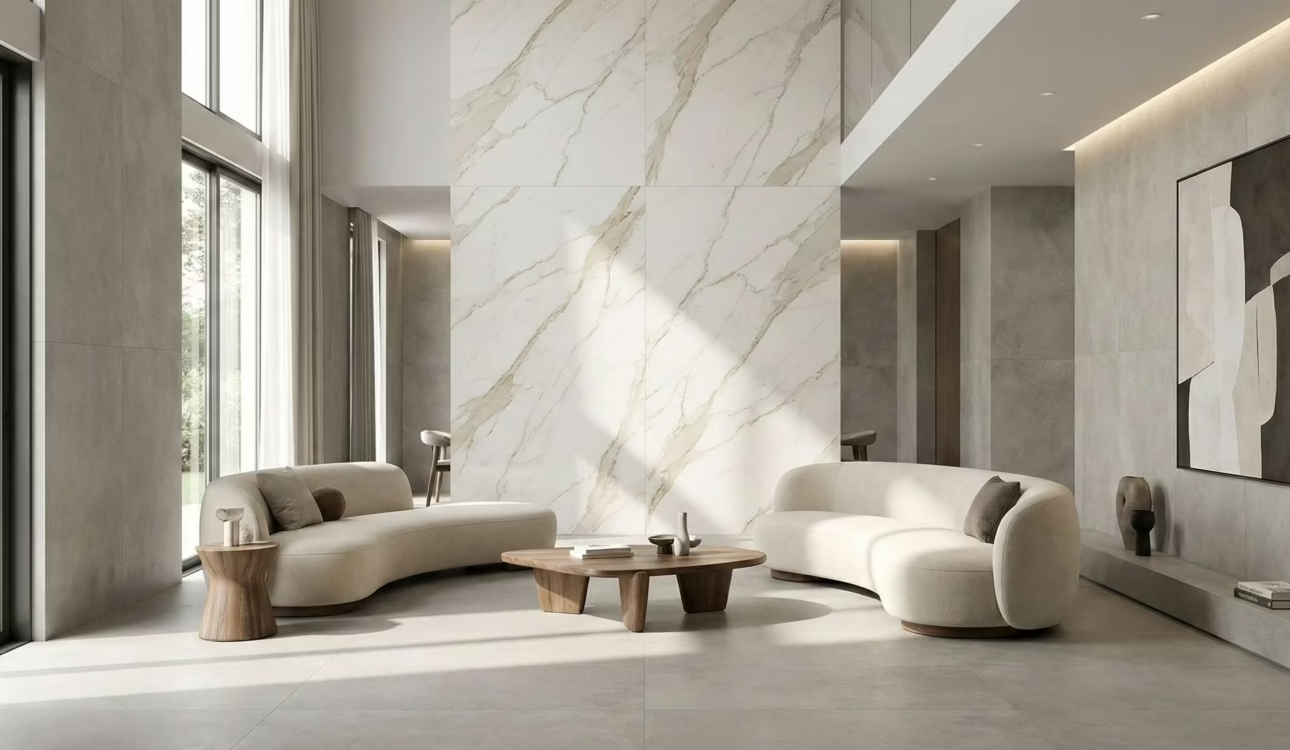
One of the biggest design trends worldwide is the move toward continuous, uninterrupted surfaces. Large-format porcelain slabs enable this by reducing joints and visual breaks, creating spaces that feel larger, cleaner, and more luxurious.
This is especially valuable in:
- Open-plan interiors
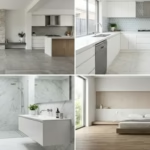
- Luxury bathrooms
- Modern kitchens
- Commercial lobbies and facades
Minimalism, spatial flow, and visual continuity are no longer optional—they are expectations.
Key Benefits of Porcelain Slabs
1. Seamless Aesthetic Appeal
Porcelain slabs allow architects to design expansive walls, floors, and countertops with very few joints. This creates a high-end, architectural look that enhances light reflection and spatial openness.
2. Exceptional Strength & Durability
Despite their thin profile, porcelain slabs are extremely strong. They resist scratches, stains, impacts, and wear, making them suitable for both residential and commercial environments.
3. Non-Porous & Hygienic
Porcelain slabs have very low water absorption, preventing moisture penetration, staining, and bacterial growth. This makes them ideal for kitchens, bathrooms, hospitals, and food preparation areas.
4. Heat & UV Resistance
Porcelain slabs can withstand high temperatures and direct sunlight without discoloration or damage. This makes them suitable for kitchen countertops, fireplaces, and exterior cladding.
5. Design Versatility
From marble-inspired luxury to industrial concrete finishes, porcelain slabs offer a vast design palette. Book-matched patterns and surface textures elevate interiors with artistic precision.
Applications of Porcelain Slabs
Kitchen Countertops
Porcelain slabs are increasingly replacing granite and quartz in kitchens. They are heat-resistant, stain-resistant, hygienic, and require no sealing—making them perfect for modern cooking environments.
Bathrooms & Shower Walls
Floor-to-ceiling slab installations reduce grout lines, creating spa-like bathrooms that are easy to clean and visually striking.
Feature Walls
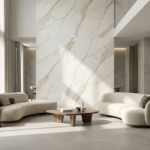
Large-format slabs create dramatic focal points in living rooms, hotel lobbies, and commercial spaces.
Exterior Cladding
Thanks to UV resistance and weather durability, porcelain slabs are ideal for building facades and outdoor architectural applications.
Furniture & Custom Surfaces
Porcelain slabs are now used for dining tables, vanities, and bespoke furniture, offering durability with refined aesthetics.
Porcelain Slabs vs Natural Stone
While natural stone is beautiful, it comes with limitations.
| Feature | Porcelain Slabs | Natural Stone |
|---|---|---|
| Water Absorption | Very Low | Moderate to High |
| Maintenance | Low | High (Sealing Required) |
| Design Consistency | High | Natural Variations |
| Heat Resistance | Excellent | Good |
| Hygiene | Non-Porous | Porous |
Porcelain slabs deliver the elegance of stone without its drawbacks.
Why Architects Prefer Porcelain Slabs
Architects value materials that provide:
- Design freedom
- Predictable performance
- Long-term durability
- Ease of maintenance
Porcelain slabs meet all these criteria, making them a preferred choice for contemporary architectural projects worldwide.
Installation Considerations
Porcelain slabs require professional handling and installation due to their size. Proper surface preparation, adhesives, and skilled workmanship ensure long-lasting performance and flawless results.
When installed correctly, porcelain slabs offer unmatched durability and visual impact.
Sustainability & Environmental Benefits
Many porcelain slabs are manufactured using eco-conscious processes and natural raw materials. Their long lifespan and low maintenance reduce environmental impact over time, aligning with sustainable building practices.
Why Porcelain Slabs Are a Long-Term Investment
While porcelain slabs may have a higher upfront cost, their durability, minimal maintenance, and timeless aesthetics make them a cost-effective solution over the long term.
They don’t just surface spaces—they elevate them.
Conclusion
Porcelain slabs represent the perfect blend of technology, design, and performance. As architecture continues to evolve toward cleaner lines, open spaces, and durable materials, porcelain slabs are leading the way.
For those seeking surfaces that are elegant, practical, and future-ready, porcelain slabs are not just a trend—they are the future.