Choosing the right tiles is one of the most important decisions when designing or renovating a space. Tiles define not only the visual appeal of interiors and exteriors but also their durability, maintenance requirements, and long-term performance. Among the most searched and debated topics in the tile industry is porcelain tiles vs ceramic tiles.
If you’ve ever wondered, “Which tile is better for my home?” or “Are porcelain tiles really worth the extra cost?”, you’re not alone. This guide breaks down the real differences between porcelain and ceramic tiles—without jargon—so you can make a confident, informed decision for your project.
Understanding the Basics: What Are Porcelain and Ceramic Tiles?
Both porcelain and ceramic tiles fall under the broad category of ceramic products, but they differ significantly in composition, manufacturing process, and performance.
Ceramic tiles are made from natural clay, shaped, and fired at moderate temperatures. They are typically glazed and are widely used for walls and low-traffic floors.
Porcelain tiles, on the other hand, are manufactured using refined clay and minerals and fired at extremely high temperatures. This process results in a much denser, harder, and less porous tile, making porcelain suitable for demanding environments.
While they may look similar on the surface, their internal structure tells a very different story.
Key Differences Between Porcelain and Ceramic Tiles
1. Water Absorption
One of the most critical differences lies in water absorption.
- Porcelain tiles have a water absorption rate of less than 0.5%, making them ideal for wet areas like bathrooms, kitchens, and outdoor spaces.
- Ceramic tiles absorb more water and are best suited for dry or low-moisture environments.
This single factor greatly impacts durability, lifespan, and application flexibility.
2. Strength and Durability
Porcelain tiles are significantly stronger than ceramic tiles due to their dense composition.
- Porcelain tiles withstand heavy foot traffic, impact, and daily wear.
- Ceramic tiles perform well on walls and light-traffic floors but may chip or crack under heavy loads.
This makes porcelain the preferred choice for commercial spaces, high-traffic homes, and public areas.
3. Maintenance and Longevity
If long-term maintenance matters to you, porcelain tiles clearly stand out.
- Porcelain tiles are stain-resistant, scratch-resistant, and require minimal upkeep.
- Ceramic tiles may need more care over time, especially in high-use areas.
With proper installation, porcelain tiles can last 20–30 years or more, while ceramic tiles typically have a shorter lifespan in demanding conditions.
Design & Aesthetic Flexibility
Modern manufacturing technology has transformed both porcelain and ceramic tiles into design-forward materials.
Porcelain Tile Designs
Porcelain tiles can convincingly replicate:
- Marble
- Natural stone
- Concrete
- Wood planks
- Industrial textures
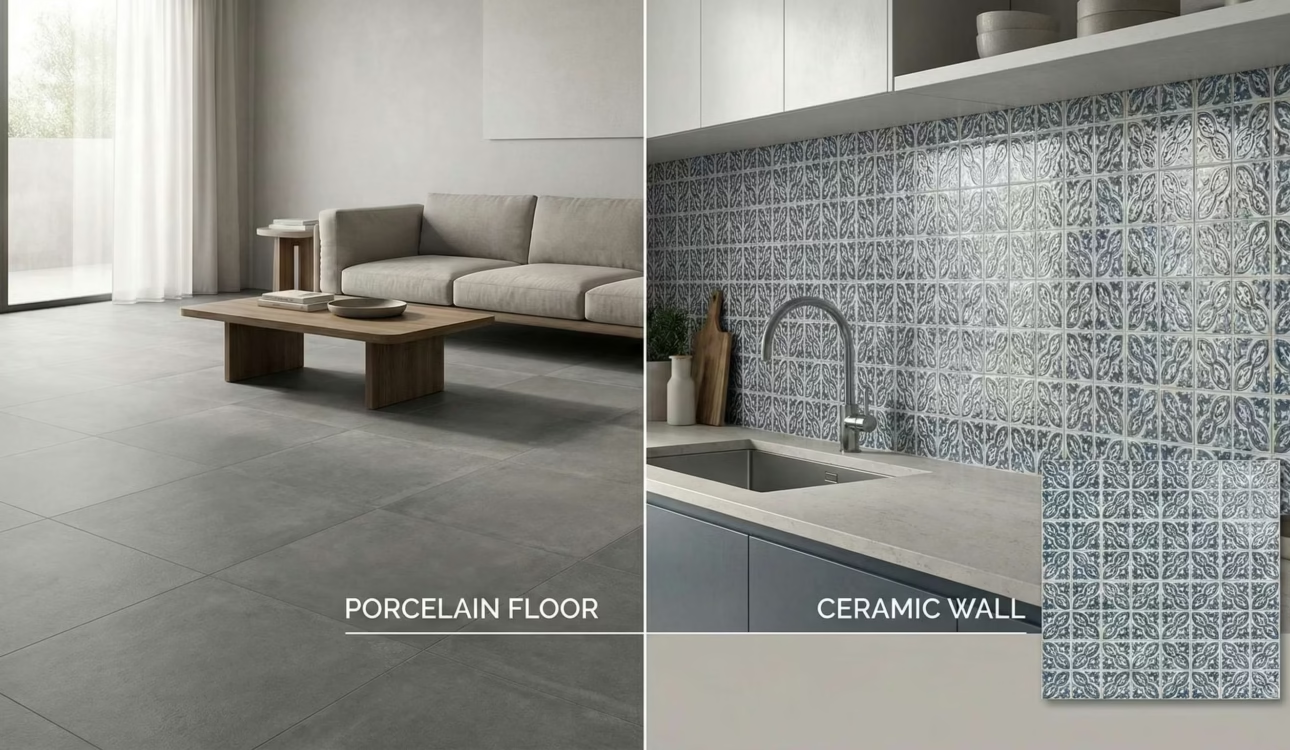
They are available in large formats and matte, polished, textured, and natural finishes, making them a favorite among architects and interior designers.
Ceramic Tile Designs
Ceramic tiles excel in:
- Decorative wall tiles
- Backsplashes
- Patterned and colorful designs
- Mosaic and subway tile applications
For purely decorative wall use, ceramic tiles remain an excellent and cost-effective option.
Application Comparison: Where Each Tile Performs Best
Best Uses for Porcelain Tiles
- Living rooms and bedrooms
- Kitchens and cooking zones
- Bathrooms and shower areas
- Commercial floors and lobbies
- Outdoor patios and balconies
- Underfloor heating systems
Best Uses for Ceramic Tiles
- Bathroom walls
- Kitchen backsplashes
- Feature walls
- Low-traffic interior areas
- Decorative surfaces
Choosing the right tile based on application ensures performance, safety, and long-term satisfaction.
Porcelain Tiles vs Ceramic Tiles: Cost Comparison
Ceramic tiles are generally more affordable upfront, making them attractive for budget-conscious projects.
Porcelain tiles may cost more initially, but they offer:
- Lower maintenance costs
- Longer lifespan
- Better resistance to damage
When viewed as a long-term investment, porcelain tiles often provide better overall value.
Which Tile Is Better for Commercial Spaces?
For commercial environments such as offices, hotels, retail stores, and hospitality projects, porcelain tiles are the clear winner. Their durability, low porosity, and resistance to wear make them ideal for high-traffic conditions where reliability matters most.
Ceramic tiles, while attractive, are best reserved for decorative wall applications in commercial settings.
Which Tile Should You Choose? Final Verdict
There is no one-size-fits-all answer—but there is a right choice for every application.
Choose porcelain tiles if you want:
- Maximum durability
- Low maintenance
- Moisture resistance
- Long-term performance
Choose ceramic tiles if you need:
- Decorative wall solutions
- Budget-friendly options
- Lightweight applications
Understanding these differences ensures your space looks great not just on day one—but for decades to come.
Why Tile Quality Matters More Than Ever
With modern architecture demanding performance, sustainability, and design consistency, tile quality is no longer optional—it’s essential. Choosing the right material backed by reliable manufacturing standards ensures peace of mind and project success.
At Greymont Ceramic, our tile collections are designed with these principles in mind—combining advanced manufacturing, design innovation, and strict quality control to meet global expectations.
Conclusion
The porcelain vs ceramic tile debate ultimately comes down to usage, expectations, and long-term goals. While ceramic tiles serve decorative purposes beautifully, porcelain tiles deliver unmatched performance for modern living and commercial demands.
Make your choice wisely—and your surfaces will reward you for years to come.