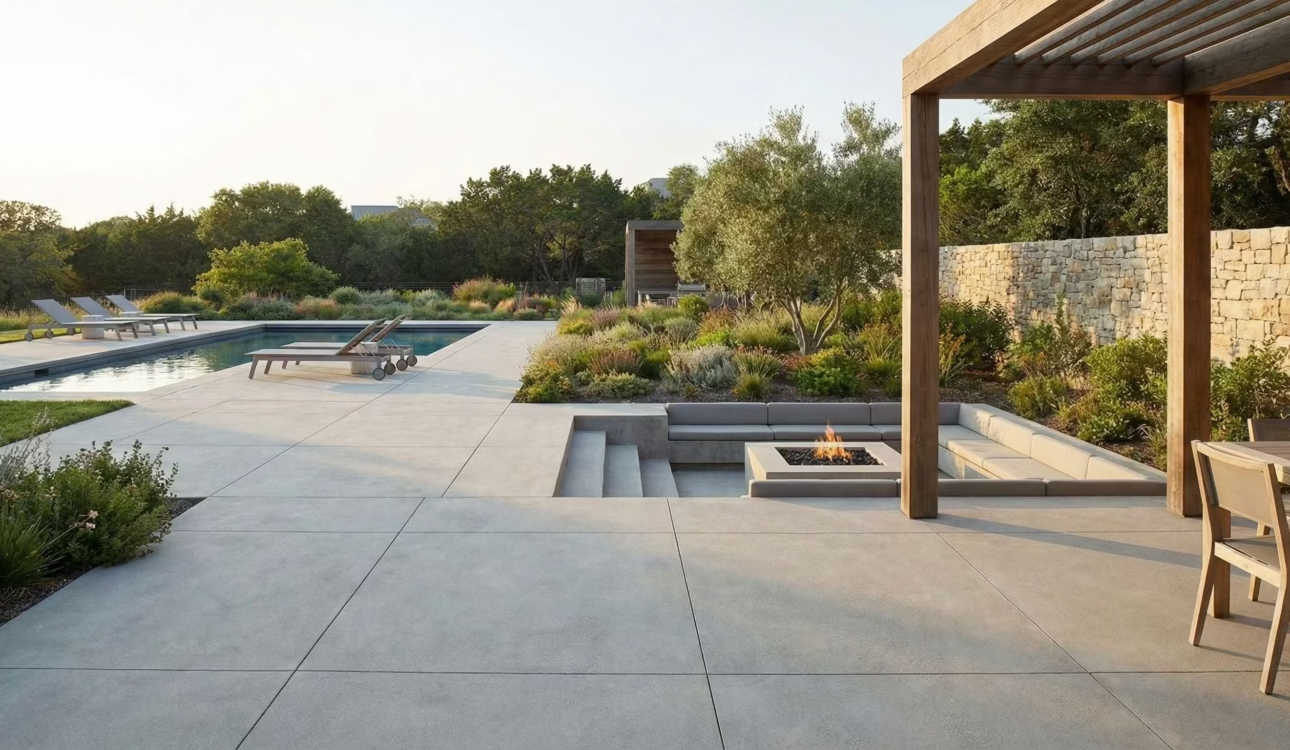
Outdoor spaces are no longer just functional areas—they’ve become an extension of modern architecture and lifestyle. From stylish patios and garden walkways to driveways and pool decks, outdoor pavers play a crucial role in defining durability, safety, and aesthetics. Yet one common question dominates online searches: “Which outdoor pavers are best?”
This complete guide explores outdoor paver types, benefits, applications, and selection tips, helping homeowners, architects, and builders make confident, long-lasting choices.
What Are Outdoor Pavers?
Outdoor pavers are surface materials specifically designed for exterior environments. Unlike standard tiles, pavers are built to withstand weather exposure, moisture, temperature changes, and heavy loads.
They are commonly used in:
- Patios and terraces
- Garden pathways
- Driveways and parking areas
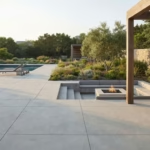
- Pool surrounds
- Outdoor seating and landscape zones
Outdoor pavers come in various materials, finishes, and thicknesses, each suited to different performance requirements.
Why Outdoor Pavers Are Better Than Regular Outdoor Tiles
Many people confuse outdoor pavers with outdoor tiles, but they are not the same.
Outdoor pavers are:
- Thicker and more load-bearing
- More resistant to cracking and wear
- Designed for drainage and ground movement
- Safer due to textured, anti-slip surfaces
This makes them ideal for high-traffic and heavy-use outdoor areas.
Types of Outdoor Pavers
Understanding paver materials is essential before making a selection.
1. Porcelain Outdoor Pavers
Porcelain pavers are known for their modern look and superior technical performance. They feature low water absorption, high strength, and resistance to stains, frost, and UV rays.
Best for:
- Patios and balconies
- Pool decks
- Rooftop terraces
- Contemporary outdoor designs
2. Concrete Outdoor Pavers
Concrete pavers are widely used for their affordability and strength. They are available in various shapes, colors, and textures.
Best for:
- Driveways
- Walkways
- Commercial outdoor spaces
Concrete pavers may require sealing over time to maintain appearance.
3. Natural Stone Pavers
Natural stone pavers like granite, sandstone, or limestone offer a timeless and organic appearance.
Best for:
- Gardens and pathways
- Luxury landscaping projects
They may require regular sealing and maintenance depending on the stone type.
Key Benefits of Outdoor Pavers
1. Weather Resistance
Outdoor pavers are engineered to handle rain, heat, sunlight, and temperature fluctuations without fading or deteriorating.
2. Slip Resistance
Most outdoor pavers feature textured or matte surfaces, reducing slip risk in wet conditions, especially important for pool areas and walkways.
3. High Load Capacity
Outdoor pavers are suitable for heavy foot traffic, furniture, and even vehicles when installed correctly.
4. Design Versatility
Available in stone-look, concrete-look, wood-look, and modern finishes, outdoor pavers enhance both contemporary and classic designs.
5. Long Lifespan
With proper installation, outdoor pavers can last 20–30 years or more, making them a smart long-term investment.
Best Applications for Outdoor Pavers
Patios & Terraces
Outdoor pavers create comfortable, stylish spaces for relaxation and entertainment.
Driveways
Thick pavers designed for load-bearing provide durability and visual appeal.
Pool Surrounds
Slip-resistant pavers ensure safety while complementing poolside aesthetics.
Garden Pathways
Pavers allow flexible design patterns while handling soil movement and moisture.
How to Choose the Right Outdoor Pavers
1. Consider Usage
High-traffic or vehicle areas require thicker, stronger pavers.
2. Check Slip Rating
Always select anti-slip surfaces for wet or shaded areas.
3. Climate Compatibility
Low water absorption is essential in regions with heavy rain or temperature changes.
4. Design Compatibility
Choose finishes that complement building architecture and landscaping.
5. Installation Method
Outdoor pavers can be installed on sand, gravel, concrete, or raised systems depending on the application.
Outdoor Pavers vs. Outdoor Tiles: Which Is Better?
| Feature | Outdoor Pavers | Outdoor Tiles |
|---|---|---|
| Thickness | Higher | Lower |
| Load Capacity | Excellent | Limited |
| Slip Resistance | High | Moderate |
| Lifespan | Long | Moderate |
| Installation Flexibility | High | Low |
For demanding outdoor conditions, pavers are the superior choice.
Maintenance Tips for Outdoor Pavers
- Sweep regularly to remove dirt and debris
- Wash with water and mild cleaner
- Ensure proper drainage to prevent water pooling
- Seal natural stone pavers if required
Low-maintenance materials like porcelain pavers require minimal upkeep.
Why Outdoor Pavers Are a Smart Investment
Outdoor pavers enhance:
- Property value
- Safety and usability
- Long-term durability
- Visual continuity between indoor and outdoor spaces
They combine functionality with design—an essential element of modern construction.
Conclusion
Choosing the right outdoor pavers is about balancing performance, safety, and aesthetics. Whether you prefer the sleek finish of porcelain, the strength of concrete, or the natural charm of stone, selecting outdoor-grade pavers ensures durability and lasting appeal.
Well-chosen outdoor pavers don’t just improve spaces—they redefine how outdoor areas are experienced.